Aadi sale discount off 50%! Shop Now Free shipping on orders above ₹999! Learn More New arrivals just dropped. Explore Collection

Yaalini Blogs

A saree that's perfect for a winter wedding can feel like wearing a blanket in May. One built for a hot afternoon might look thin and out of place at a formal winter reception. Choosing by weight and season — not just color and pattern — makes a real difference in how a saree actually feels to wear.
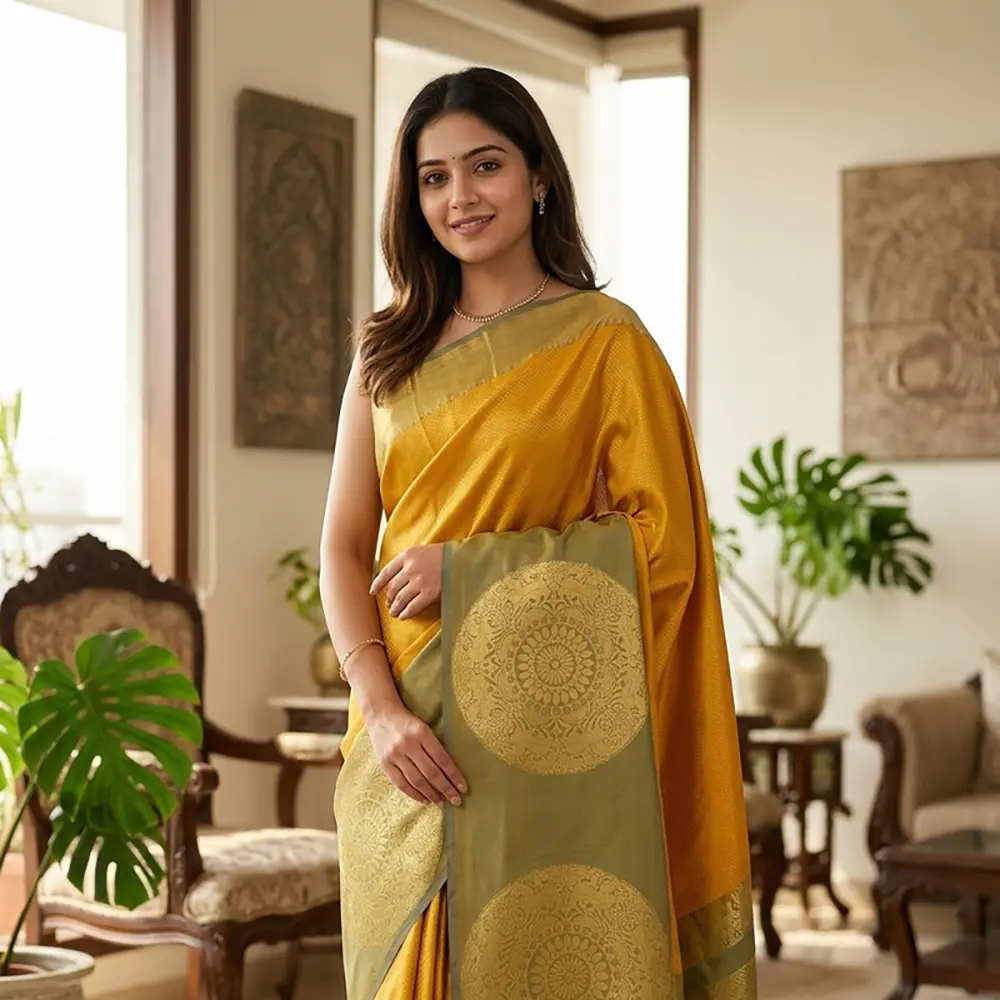
Why Handloom Matters More Than Ever
Jul 27, 2026
It's easy to treat "support handloom" as a nice sentiment printed on a tag. The reality behind it is more concrete than that — a specific, shrinking workforce, a measurable environmental difference, and a skill that genuinely disappears, household by household, when it stops being economically viable. Here's the case, with the numbers behind it.
Choosing Your Bridal Silk Saree: A Practical Guide
Jul 27, 2026
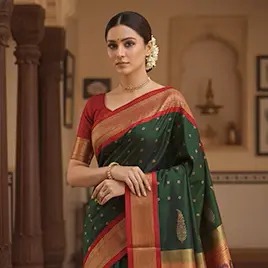
Of all the sarees a woman might own in her lifetime, the bridal one tends to get remembered the longest — in photographs, in family stories, sometimes literally passed down afterward. That's a lot of weight for one piece of fabric to carry, which is exactly why it's worth choosing deliberately rather than at the last minute.
A well-made handloom silk saree is built to outlast its first owner — three-generation heirlooms aren't rare in families that know how to care for them. Most damage to silk sarees isn't from wear; it's from storage and handling mistakes that happen quietly, over years, long before anyone notices. Here's how to avoid them.

Long before sarees were sold with care instructions and size charts, they were woven with intention — every motif chosen, every color selected, meant to say something. A saree wasn't just worn; it was read, by anyone who understood the visual language stitched into it. Most of that language is still there, even if fewer people stop to notice it.

A saree isn't just a piece of fabric — it's a set of instructions, and every region in India has written its own version. The same six or nine yards can become a flowing evening drape, a practical work outfit, or a ceremonial garment, depending entirely on how it's folded, pleated, and pinned. Here's a tour of how differently India wears its most iconic garment.