Aadi sale discount off 50%! Shop Now Free shipping on orders above ₹999! Learn More New arrivals just dropped. Explore Collection

Yaalini Blogs

Two sarees can look almost identical in a product photo, priced hundreds or thousands of rupees apart, and most buyers have no idea why. The answer usually comes down to one word: loom. Here's what actually separates handloom from power loom, and how to tell which one you're holding.
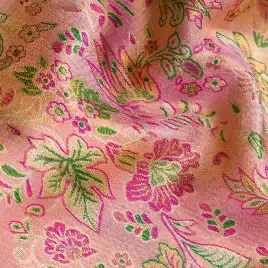
A saree is often described by its silk, its color, its border. Rarely is it described by the hands that made it — and yet every handloom saree passes through years, sometimes decades, of learned skill before it ever reaches a shelf. This is a look at the craft from the weaver's side of the loom.
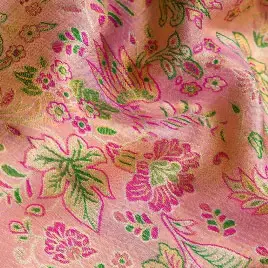
Lay a Kanjivaram, a Banarasi, and a Patola side by side and you'd be forgiven for thinking three different countries made them. Same raw material — silk — and almost nothing else in common. The technique, the rhythm of the loom, the time it takes, even the families who weave them, are worlds apart. Here's what actually separates the three, and how to spot each one at a glance.

Long before it becomes six or nine yards of grace draped over a shoulder, a silk saree begins its life as something far humbler — a leaf, a cocoon, a single thread pulled taut on a wooden loom. This is the story of that journey, and why it still matters today.