Aadi sale discount off 50%! Shop Now Free shipping on orders above ₹999! Learn More New arrivals just dropped. Explore Collection

Tag 'Kanjivaram'

Choosing Your Bridal Silk Saree: A Practical Guide
Jul 27, 2026
Of all the sarees a woman might own in her lifetime, the bridal one tends to get remembered the longest — in photographs, in family stories, sometimes literally passed down afterward. That's a lot of weight for one piece of fabric to carry, which is exactly why it's worth choosing deliberately rather than at the last minute.
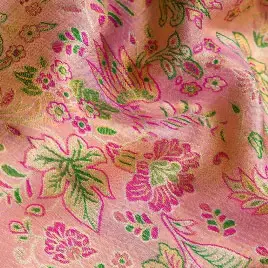
Lay a Kanjivaram, a Banarasi, and a Patola side by side and you'd be forgiven for thinking three different countries made them. Same raw material — silk — and almost nothing else in common. The technique, the rhythm of the loom, the time it takes, even the families who weave them, are worlds apart. Here's what actually separates the three, and how to spot each one at a glance.